Mediterranean Tagine Lamb Stew With Exotic Spices And Apricots
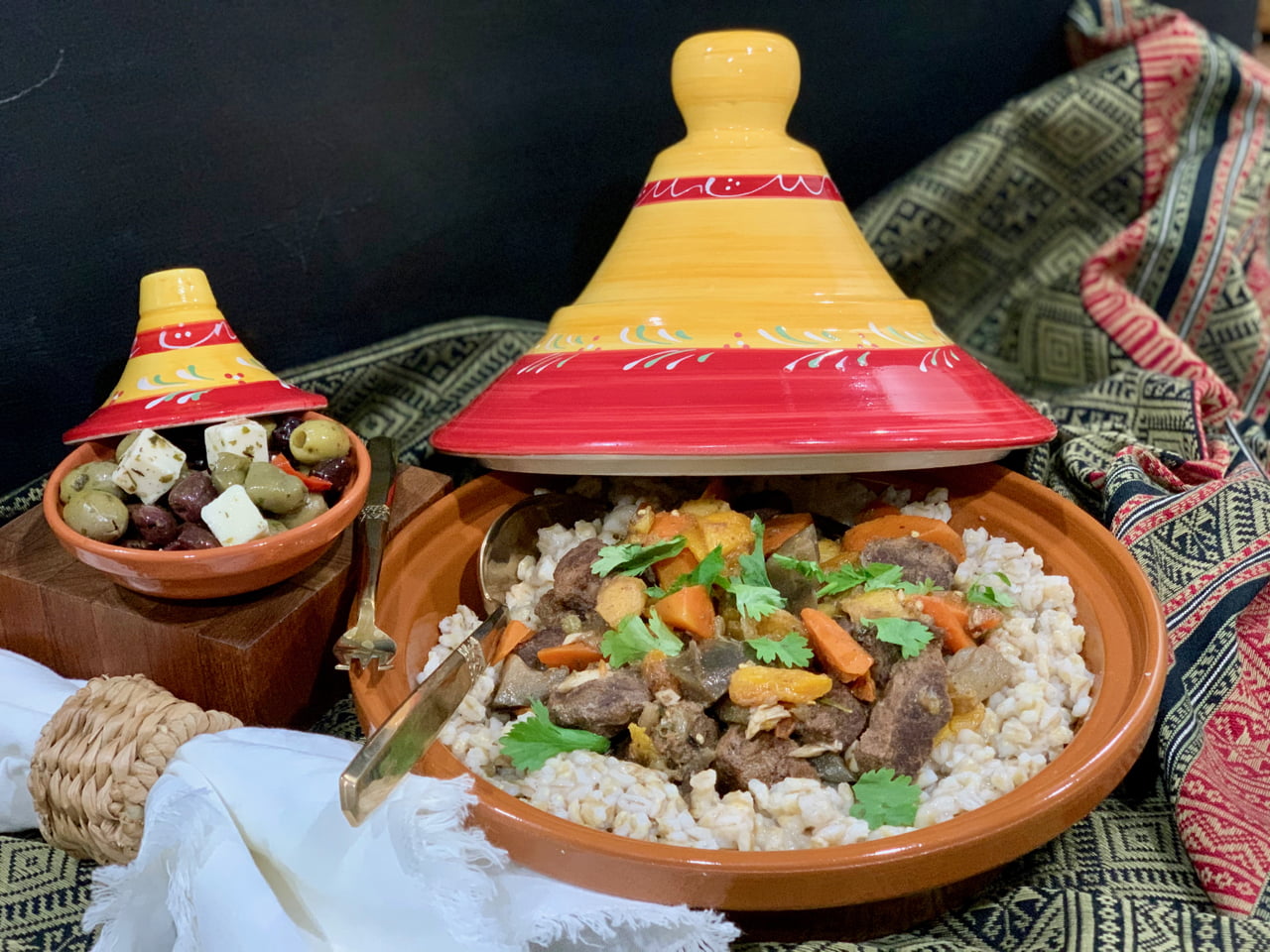
Tagine Mediterranean Stew is lovingly prepared in a traditional Tagine clay pot, featuring lamb, an assortment of vegetables, aromatic spices, and sweet apricots.
This dish is traditionally cooked slowly in the Tagine pot to enhance its rich flavors; an age-old method that’s hard to replicate in contemporary cooking.
What Is A Tagine?
A Mediterranean lamb tagine represents more than just food; it celebrates the values of patience, generosity, and the transformative power of time. It traces its roots back to North Africa and has journeyed across the Mediterranean through trade, migration, and shared meals, embodying a land influenced by spice routes, olive groves, and sun-ripened fruits.
Crafted in the name of its cooking vessel, the tagine is meant for slow, gentle heat, which helps transform tougher pieces of lamb into succulent morsels. As the dish simmers, steam forms and circulates back into the pot, bringing with it layers of spices, sweetness, and a savory richness. The process is unhurried, allowing each ingredient to fully express its character.
Mediterranean Lamb Stew
The allure of a lamb tagine lies in its exquisite balance. Warm spices dance with fruits and honey, acidity cuts through the richness, and a hint of heat lingers on the tongue. The lamb absorbs the spice-infused sauce while contributing its own richness. Vegetables soften, dried apricots become plump, and the sauce transforms into something that begs to be savored with bread long after the last piece of meat has vanished.
Throughout the Mediterranean, different versions of tagine showcase local ingredients and personal preferences; some may be fragrant with herbs, while others burst with citrus or are deeply spiced and sweet. At its core, each tagine invites you to slow down, gather with loved ones, and let the flavors shine.
Tagine – The Ancient One Pot Cooking
To begin, let’s explore the Tagine pot (also known as tajine); envision a time-honored slow cooker. These ancient, handmade clay or ceramic dishes feature a cone-shaped lid known as a conical lid that captures steam while cooking, ensuring moisture stays within the pot.
This method of cooking was created to retain moisture in less desirable cuts of meat (think goat or mutton), while building up a concentrated flavor from other ingredients.
Historically, this was done over live flames or hot coals; however, we’ll be preparing this remarkable dish on the stovetop, using a similar approach to a crockpot.
Cooking this lamb Tagine stew slowly on the stovetop mimics the essence of traditional cooking.
How To Use A Tagine Pot To Cook Stew
The first crucial step when using the Tagine pot—after it’s been seasoned (similar to a cast iron pot)—is marinating the chosen meat.
The marinade I often use, found frequently during my time in Brazil, is simply salt — coarse salt.
The salt is massaged into the meat and left to rest for several hours. This is the most effective method to tenderize meat.
Once it’s time to cook, the next vital step is layering the Tagine pot in a specific order.
Step By Step Preparation Of The Tagine
- Begin by layering the bottom of the clay pot with moist vegetables, like onions, celery, carrots, fennel, or other moisture-retaining ingredients.
- Drizzle a generous amount of olive oil over the base of the vegetables.
- Add the meat, fish, or whatever protein you choose, ensuring there’s space around the edges for additional vegetables like potatoes, eggplant, or other slow-cooking varieties.
- Place the larger vegetables around the periphery of the protein.
- Next, add dried fruits, which are commonly found in Middle Eastern stews like this one; they not only contribute flavor and sweetness but also help tenderize the meat with their concentrated sugars as they cook.
- Scatter spices atop the ingredients so that as steam forms within the pot, the spices infuse throughout the layers, enhancing the overall flavor.
- Pour water, broth, or even a splash of wine over the top, just enough to reach the level of the meat.
- Cook on low heat for 1 to 1.5 hours, making sure there’s enough liquid throughout the cooking process.
Mediterranean Spices
Numerous stories highlight the allure, often conflict-driven, of the spices from the Middle East and Asia. Why is that?
The ancient spices from this region have laid the groundwork for what has shaped and enriched our contemporary culinary landscape.
While every Middle Eastern woman carries her own family’s spice heritage, I too have my blend for creating a delightful Tagine, given it’s a part of my roots as well.
My Spice Profile
Before browning the lamb for the stew or plumping the apricots in their sweet sauce, this tagine begins with spices measured not only by spoon but also by instinct. I personally blend these aromatic, warm notes, creating a ritual that sets the mood for the dish and fills the kitchen with enticing aromas.
In this particular Tagine recipe, I selected lamb as the protein, choosing a flavor combination that pairs beautifully with the meat. However, options like goat, venison, or even a sturdy fish like salmon work wonderfully too.
Combine this spice profile and save it for future recipes:
- Sumac adds the first touch: a subtle, citrusy flavor that brightens the richness of lamb while balancing the sweetness. It’s lively without being harsh, akin to the lift from a sun-kissed lemon.
- Ginger powder offers a gentle warmth that enhances rather than overwhelms, seamlessly blending into the honey-infused sauce as it simmers.
- Paprika (whether homemade or store-bought) adds a hint of smokiness, reminiscent of open flames and clay pots, enriching the color and flavor that balances the fruit and spices.
- Ground coriander softens the blend with its floral, citrusy notes, bridging brightness and warmth. Meanwhile, cardamom concludes the flavor journey with its aromatic sweetness, offering a luxurious finish that lingers long after your last bite.
When creating Tagine with chicken, fish, goat, pork, or a vegetarian alternative with delectable Fava Beans, I tailor the spice profile to complement the chosen protein.
Homemade Mediterranean Chermoula
In my refrigerator, you’ll frequently find a jar of Homemade Chermoula, an enticing and refreshing flavor enhancer I rely on for both quick meals and slowly cooked stews.
It pairs exceptionally well with fish, poultry, and vegetarian dishes.
Lamb and Apricot
Whether featuring lamb and apricot, pork with prunes, squab and dates, or fish and figs, Mediterranean cuisine is well-known for utilizing the concentrated sweetness of dried fruits to harmonize the complex layers of spices.
Since sugar molecules are much larger than salt ions, they naturally help tenderize less expensive cuts of meat.
Cooks from ancient times understood instinctively how dried fruits, such as dates, raisins, or figs, would tenderize tougher cuts of meat.
What Grains To Eat With Tagine
Since I rarely use potatoes in my Tagine (which resembles a more European-style stew), I focus on preparing either barley or my favorite Moroccan Rice Recipe With Dried Fruit, a dish that could practically stand alone!
Ingredients Needed
This lamb tagine is crafted layer by layer, with each ingredient selected for how it enhances the pot and transforms into something extraordinary over time.
- Lamb serves as the centerpiece of the dish, rich and resilient, perfectly suited for slow cooking. As it braises, it soaks in the warmth of the spices and the sweetness of the sauce, becoming tender enough to break apart at the lightest touch.
- Eggplant integrates into the tagine almost seamlessly, absorbing olive oil and spices, providing a silky texture to the sauce. Carrots contribute an earthy sweetness that deepens as they cook, mirroring the fruitiness of the dried apricots.
- A substantial pinch of coarse salt early on helps draw out moisture and flavor, preparing both the vegetables and lamb for the flavors to come. Onion and garlic create the aromatic foundation, gently softened in olive oil until sweet and fragrant, while chili peppers offer a gentle heat that remains rather than overwhelms.
- Dried apricots introduce a transformative magic, plump and jewel-like, releasing their honeyed essence into the sauce, creating that signature balance between savory and sweet. A drizzle of honey further enriches this note, rounding out the flavors and marrying the fruit with spices.
- A splash of red wine adds depth and acidity, helping to deglaze the pot and enhance the sauce, while water gradually melds everything into a harmonious, fragrant braise.
- Your homemade spice profile consisting of sumac, cinnamon, ginger powder, smoked paprika, ground coriander, and cardamom blooms in the warm oil, enveloping each ingredient in fragrance and color before the liquids are introduced.
- Finally, topped with a sprinkle of cilantro or rosemary, the tagine emerges aromatic, well-balanced, and comforting—sweet, spiced, with a gentle kick, made for sharing slowly, spoonful by spoonful.
Equipment Needed
- Large Clay Tagine Pot – is the star of the show. This remarkable cooking vessel is truly a must-have. Its conical lid circulates steam back into the dish, creating a moist, slow-cooked environment that elevates simple ingredients into something fantastically aromatic and tender. Cooking in clay is not only efficient but also sensory and ritualistic, encouraging you to slow down and let the pot take charge.
- A large mixing bowl is crucial for seasoning the lamb and vegetables, ensuring the spices and olive oil coat everything evenly. Two small mixing bowls keep spices, dried fruits, or liquids organized and ready, creating a calm and intentional cooking ambiance.
- A sturdy cutting board and sharp chopping knife will assist you in handling onions, eggplant, carrots, and herbs with grace. A slotted spoon makes it easy to lift and layer ingredients without disturbing the sauce too much as it forms.
- The garlic press transforms garlic into a fragrant paste that blends beautifully into the base of the tagine, ensuring a rounded flavor without any harsh edges.
- 2 lb Lamb cubed
- 1 Eggplant cubed
- 1 tbsp Coarse salt
- 1/2 cup Apricots chopped
- 4 Carrots, large
- Fresh Cilantro and Rosemary finely chopped
- 2 tbsp Olive oil
- 1 Onion, large chopped
- 4 Garlic cloves crushed
- 3 Chili peppers finely chopped
- 1 tbsp Sumac
- 1 tbsp Ginger powder
- 1 tsp Paprika homemade
- 1 tsp Cinnamon
- 1 tsp Ground Coriander
- 1 tsp Cardamom
- 1 tsp Salt
- 2 tbsp Honey
- 1/2 cup Red wine
- 1 cup Water more if needed
-
Combine the cubed lamb and eggplant in a bowl, then rub the coarse salt into the mixture and leave it at room temperature for an hour.
-
Peel and chop the carrots into pieces that match the size of the meat and eggplant. Set aside.
-
In a small mixing bowl, combine the spices: sumac, ginger, paprika, cinnamon, coriander, cardamom, and salt, mixing well and setting aside.
-
In another small bowl, mix together the honey, wine, garlic, and chopped chili peppers, then set aside.
-
Arranging Tagine To Cook</

Post Comment