Korean Fried Chicken
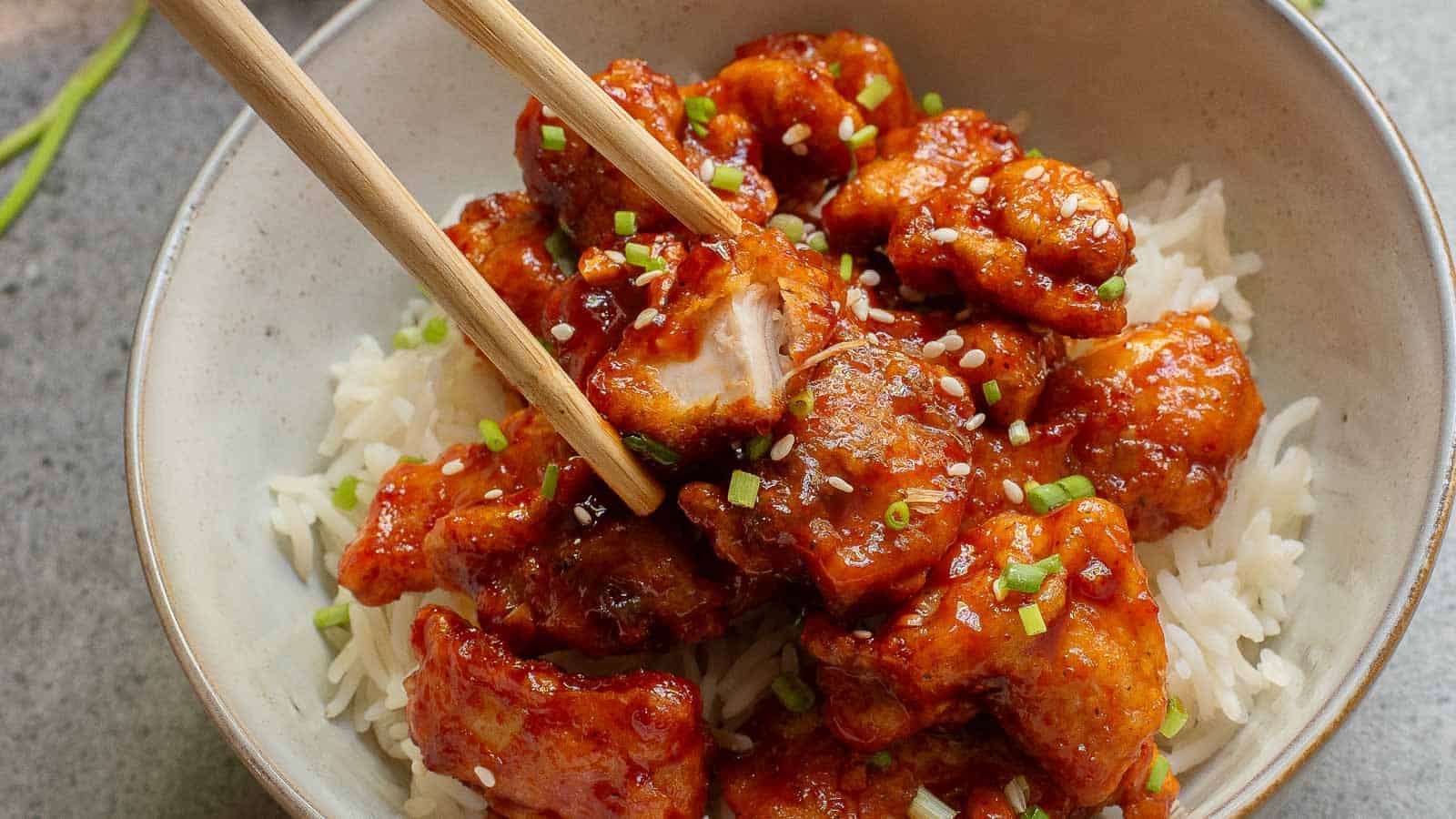
Korean Fried Chicken makes a bold statement—its flavor and crunch are truly striking. This is definitely my favorite way to enjoy fried chicken.
This post may contain affiliate links. As an Amazon Associate, I earn from qualifying purchases. See my Affiliate Disclosure.
Korean Fried Chicken is celebrated for its incredibly crispy exterior, tender and well-seasoned meat on the inside, all enveloped in a glaze that’s spicy, slightly sweet, and bursting with umami. If you’ve tried my Air Fryer Korean Fried Chicken, you’ll recognize this flavor, but this stovetop method takes the crispiness to new heights.
The distinct crunch of Korean Fried Chicken isn’t by chance. The secret behind that crispy coating lies in dredging the chicken in potato starch (cornstarch can work in a pinch) followed by double frying, which locks in moisture and results in an unbelievably crispy crust without weighing down the chicken or making it greasy.
Another factor that makes KFC so delightful is the glaze. Gochujang, the quintessential Korean fermented chile paste, introduces both spice and umami. Honey, rice vinegar, and soy sauce bring a harmonious blend of sweet, tangy, and salty notes. Garlic adds a fresh, zesty lift against the rich umami and sweetness. A touch of Sesame oil introduces a nutty depth. The delightful contrast between the juicy, succulent chicken, the crunchy outer layer, and the thick, rich sauce is where the magic truly lies.
Ingredients Notes
Making Korean Fried Chicken is straightforward, but each ingredient plays a vital role.
I prefer using boneless, skinless chicken thighs as they remain juicy and flavorful post-frying. While chicken breast is an option, thighs tend to retain moisture better. It’s common to find KFC prepared with bone-in thighs or wings, yet I favor boneless pieces cut into smaller chunks for a couple of reasons. First, they’re easier to eat. Second, cutting the chicken into smaller sizes ensures you get more of that enticing crunchy crust and irresistible sauce.
As for the sauce, the only unique ingredient required is gochujang, which you can easily locate in most grocery stores, usually packaged in a red container.
For the coating, potato starch provides an exceptional crunch without heaviness. You can substitute cornstarch if needed. While cornstarch doesn’t yield quite the same crispness, it does give a lovely golden hue that enhances the chicken’s appearance. Just be sure to avoid flour, as it won’t achieve the desired crunch; stick with pure starch like potato or cornstarch.
For the oil, I lean toward avocado oil. However, any neutral-flavored, high-smoke-point oil will do, such as canola, corn, vegetable, or safflower oil.
How to Make Korean Fried Chicken
This recipe is quite simple, even if you’re new to frying chicken. Here’s my method.
- Prep the chicken. Slice the chicken thighs into bite-sized pieces and season lightly with salt and pepper. This step establishes a delicious foundation before you coat and fry.
- Coat the chicken. Dust the chicken pieces with potato starch or cornstarch, ensuring they are thoroughly coated.
- Fry until golden. Heat oil in a saucepan or wok and fry the chicken in small batches until it’s golden and crispy. For an extra crunch, consider double frying.
- Make the sauce. While the chicken is cooking, combine the sauce ingredients in a small saucepan. Gently heat while stirring until the mixture is smooth and shiny.
- Toss and serve. Once all the chicken is fried, toss it in the warm sauce until evenly coated. Finish with sesame seeds and green onions, then serve immediately.
Expert Tips for Success
Korean Fried Chicken is quite forgiving, but employing a few tricks can elevate it even more.
- Fry the chicken in a deep saucepan or wok to minimize mess on the stovetop.
- Heat your oil to between 350°F and 375°F. Remember, when you introduce chicken, the temperature will drop; avoid overcrowding the pan and aim to keep the oil around 350°F during frying.
- Don’t overcrowd the pan. Ensure hot oil can circulate around each piece for the perfect crunchy coating. Adding too many pieces at once can drastically reduce the oil temperature.
- For an even crunchier finish, remove the chicken after the first fry and return it to the oil for a second fry. Double frying is essential for achieving that ultimate KFC crunch.
- If your sauce turns out too thick, add a splash of water to thin it out.
- Serve the chicken right after tossing it in the sauce to enjoy the best texture.
What to Serve With It
Korean Fried Chicken shines as a main dish, but it pairs beautifully with sides that balance its heat and sweetness. I particularly enjoy it over steamed white rice or alongside Kimchi Pancakes. Though unconventional, it can also be served with Coconut Rice. For something fresh and crunchy, Quick Cucumber Kimchi or Japanese Cucumber Salad complement it perfectly.
If you’re a fan of crispy fried chicken that offers more than just crunch, I have plenty of other recipes for you to explore. Chicken Pakora is rich with bold spices and golden edges, while Chicken 65 packs a fiery South Indian punch. Salt and Pepper Chicken Wings provide a Sichuan twist on spicy fried chicken, enhanced with fresh chiles, garlic, and pungent Sichuan pepper. Mochiko Chicken boasts a light, crisp texture thanks to the use of sweet rice flour. Japanese Chicken Karaage, much like KFC, also employs potato starch and a double frying technique for an airy crispy crust.
Korean Fried Chicken
Robin Donovan
Crispy Korean Fried Chicken is double fried and then tossed in a sticky, sweet-spicy glaze made with gochujang paste. Every bite is crunchy, juicy, and bursting with intense flavor.
(keep your screen awake)
-
Place the chicken pieces in a bowl and season with salt and pepper. Mix until thoroughly coated.
-
In a small saucepan, combine gochujang, honey, soy sauce, rice vinegar, garlic, and sesame oil. Stir over low heat until the sauce is smooth and slightly thickened.
-
Coat the chicken in cornstarch until each piece is well covered.
-
In a high-sided saucepan or wok, heat oil. Fry the chicken in batches until golden and crispy. Drain on paper towels. For additional crispiness, return the chicken pieces to the oil for a second fry.
-
Toss the fried chicken pieces in the warm sauce until evenly coated. Garnish with sesame seeds and green onions. Serve immediately.
- When frying the chicken, use a deep saucepan or wok to reduce stovetop splatter.
- Heat the oil to between 350°F and 375°F and aim to maintain it around 350°F while frying.
- If your sauce becomes too thick, add a splash of water to thin it out.
Calories: 1367kcalCarbohydrates: 29g<span class="wprm-nutrition-label-text-nutrition-container wprm-nutrition-label-text-nutrition-container-protein" style="flex

Post Comment